
A museum or a theatre is much more than a building. It is heritage, activity, and experience. Often, these venues are works of art in their own right, safeguarding other cultural expressions, whether temporary or permanent. This reality makes Facility Management a particularly complex and strategic discipline within cultural spaces.
This was one of the central themes of the conference organized by the Catalan Facility Management Association (ACFM) at the Gran Teatre del Liceu, which brought together Isaac Martín (Gran Teatre del Liceu), Rosa María Sánchez (Picasso Museum), Xavier Abelló (MNAC), and Alejandro Novella (Serveo), under the moderation of Josep Ortí, Vice President of ACFM.
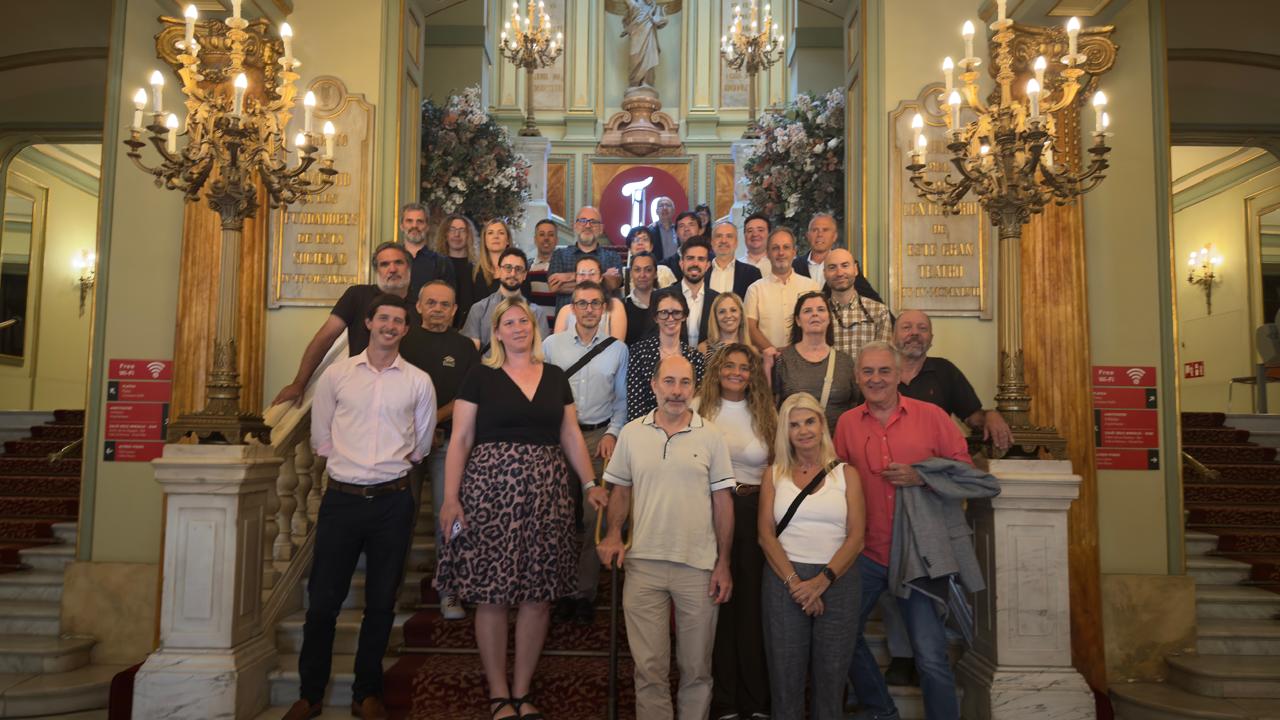
The event gathered around forty industry professionals, who later enjoyed a guided tour of the theatre’s facilities.
The conference forms part of the lead-up to the inaugural Facility Management Barcelona Congress 2026, which will take place on November 25, 26, and 27 at the Recinte Modernista de Sant Pau and is organized by ACFM.
From Maintenance to Strategy
The role of the Facility Manager has evolved significantly in recent years. Xavier Abelló summarized this transformation with a meaningful statement:“We have moved from infrastructure and maintenance to general services.”
This shift reflects the evolution of a traditionally operational function into an increasingly strategic and cross-functional role.
Isaac Martín explained that at the Liceu, “Facility Management is part of the organization’s strategic plan, and technology has brought FM into many cultural spaces.” Meanwhile, Alejandro Novella highlighted that the democratization of cultural venues, immersive experiences, and the adoption of new technologies have increased the complexity of facilities and, consequently, the responsibilities of FM teams.
Rosa María Sánchez added that “the constant changes taking place in these facilities are only possible through a cross-functional organizational vision, where Facility Management plays a direct role in achieving the institution’s objectives.”
Unique and Challenging Spaces
The uniqueness of cultural facilities was one of the main points of consensus throughout the conference. The challenge is not simply maintaining buildings, but preserving heritage, ensuring operational continuity, and delivering a high-quality visitor experience.
“Facility Managers are very important, but we do not matter,” remarked Xavier Abelló, highlighting a profession that often becomes visible only when something goes wrong. He also emphasized the importance of preventive maintenance and the need to prioritize functionality, an aspect that is sometimes overlooked in favor of architectural or artistic considerations.
In museums, the complexity is even greater. Rosa María Sánchez recalled the challenges of managing historic buildings that must simultaneously comply with regulatory requirements, budget constraints, and heritage conservation needs.“Facilities are not like fine wine; they do not improve with age.”
At the Liceu, the constraints are different but equally demanding. “The theatre’s activity both limits and defines the work of FM,” explained Isaac Martín. Rehearsals, stage setups, and performances coexist continuously and condition any technical intervention. These challenges are compounded by the investment needs of a building that has been in operation for almost three decades.
Fewer Data, More Value
Digitalization occupied a significant part of the discussion. Participants agreed that the challenge is no longer having more technology, but identifying which tools truly add value.
Isaac Martín warned that the proliferation of digital solutions requires careful selection to prevent them from generating more workload than benefits.
Alejandro Novella focused on the quality of information:“Which data really create value?”
According to him, the future lies in integrating tools, leveraging the potential of artificial intelligence, and working with reliable, well-captured data, while recognizing that many services still retain a strong human component.
Josep Ortí reminded attendees that this transformation is not only technological.“We need different resources, as well as cultural and administrative changes.” As he noted, digital transformation also requires organizations to adapt their structures and ways of working.
Service Providers as Strategic Partners
The relationship with service providers was another key topic of the conference. Participants agreed that suppliers must move beyond being simple service executors and become strategic partners. “Providers can help services evolve,” stated Alejandro Novella.
From the perspective of cultural institutions, Xavier Abelló called for experience and shared commitment, while Rosa María Sánchez emphasized the value of specialized teams and low staff turnover as essential factors in ensuring service quality.
The discussion also addressed the complexity of procurement processes and the challenges they create in facilities with continuous operations, where any disruption can directly impact both service delivery and the visitor experience.
Conclusions
The conference clearly demonstrated that Facility Management is undergoing a profound transformation. It is becoming more strategic, more cross-functional, and more closely aligned with organizational objectives than ever before.
Cultural spaces represent one of the most demanding environments for FM professionals. Preserving heritage, ensuring operational continuity, embracing technology, managing limited resources, and meeting user expectations require a combination of technical expertise, management skills, and strategic vision.
Because managing a museum or a theatre means far more than managing a building. It means preserving works of art that, very often, exist within other works of art.